

Introduction:
Water is a precious resource that is essential for all forms of life on Earth. As the global population continues to grow, the demand for water is increasing, putting a strain on freshwater sources. In many regions, water scarcity is a pressing issue, exacerbated by factors such as climate change, population growth, and inefficient water management practices.
Water tank trucks play a crucial role in water conservation efforts by efficiently transporting and distributing water to where it is needed most. These specialized vehicles are equipped with large tanks that can store and transport significant quantities of water to areas facing shortages or emergencies. In this article, we will explore the importance of water tank trucks in water conservation and discuss strategies to maximize their effectiveness in preserving this precious resource.
The Role of Water Tank Trucks in Water Conservation:
Water tank trucks are versatile vehicles that are used in a variety of applications to support water conservation efforts. One of the primary roles of water tank trucks is to provide emergency water supply in situations such as natural disasters, droughts, or water main breaks. These vehicles can quickly deliver water to affected areas, ensuring that residents have access to clean and safe drinking water.
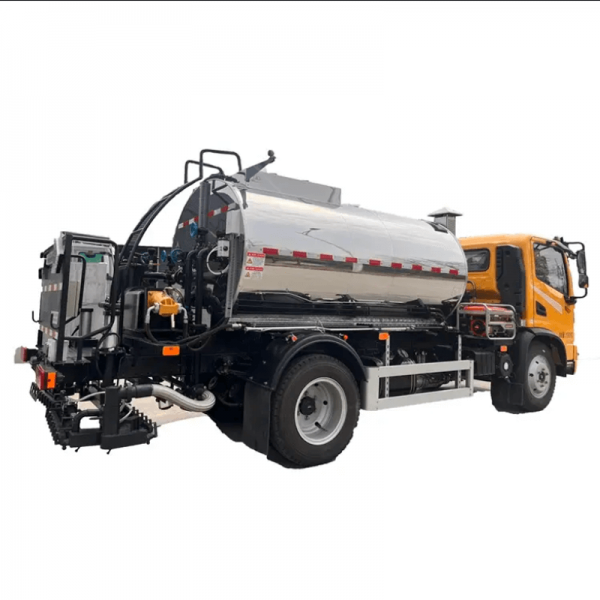
In addition to emergency response, water tank trucks are also used for irrigation purposes in agriculture. By transporting water to farmlands, these vehicles help farmers maintain their crops and reduce water wastage through efficient water distribution systems. Water tank trucks are also used in construction projects to supply water for dust control, concrete mixing, and other construction activities, reducing the need for additional water sources and promoting sustainable construction practices.
Furthermore, water tank trucks play a crucial role in water conservation by supporting water recycling and reuse initiatives. In https://www.heli-truck.com/fuel-tank-truck/ as mining, manufacturing, and oil and gas production, water tank trucks are used to transport wastewater to treatment facilities for recycling or safe disposal. By recycling water and reducing the demand for freshwater sources, these vehicles help conserve water and protect the environment.
Strategies to Maximize Water Conservation with Water Tank Trucks:
To maximize water conservation efforts with water tank trucks, it is essential to implement strategies that promote efficient water management and minimize water wastage. The following are some key strategies to consider:
1. Implement Water Monitoring Systems: Install water monitoring systems on water tank trucks to track water usage, identify leaks or inefficiencies, and optimize water distribution. By monitoring water levels and usage patterns, operators can ensure that water is being used effectively and reduce the risk of wastage.
2. Use High-Efficiency Equipment: Equip water tank trucks with high-efficiency pumps, hoses, and nozzles to minimize water wastage during loading, transportation, and unloading. By using advanced equipment that reduces water loss and improves water distribution, operators can maximize the effectiveness of water tank trucks in water conservation efforts.
3. Practice Proper Maintenance: Regularly maintain water tank trucks to ensure that they are functioning optimally and prevent leaks or malfunctions that could lead to water wastage. Conduct routine inspections, repairs, and servicing to keep the vehicles in good working condition and extend their lifespan.
4. Optimize Route Planning: Develop efficient route plans for water tank trucks to minimize travel time, fuel consumption, and emissions while maximizing water delivery efficiency. By optimizing routes based on factors such as traffic conditions, distance, and water demand, operators can reduce operational costs and environmental impact.
5. Promote Water Conservation Awareness: Educate operators, drivers, and stakeholders about the importance of water conservation and the role of water tank trucks in preserving this vital resource. By raising awareness and promoting best practices in water management, organizations can foster a culture of water conservation and encourage sustainable use of water resources.
Conclusion:
Water tank trucks are valuable assets in water conservation efforts, playing a critical role in ensuring access to clean water, supporting agriculture, recycling wastewater, and promoting sustainable water management practices. By implementing strategies to maximize the efficiency of water tank trucks and minimize water wastage, organizations can contribute to preserving water resources for future generations.
As water scarcity continues to be a global challenge, the importance of water tank trucks in water conservation cannot be overstated. By recognizing the significance of these vehicles and adopting best practices in water management, we can work together to protect and conserve this essential resource for a sustainable future.